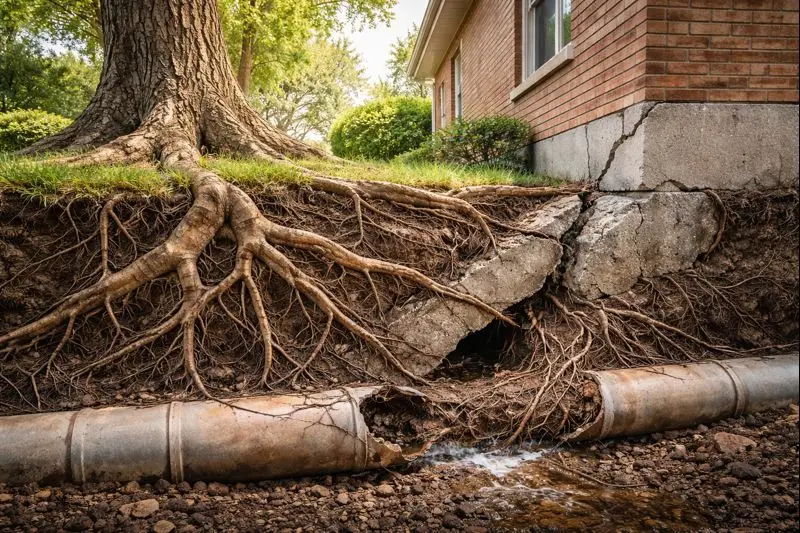
Tree Roots: Damage to Foundations, Driveways & Pipes
Have you ever thought about what is going on under your yard when that beautiful tree is growing above the ground? Roots of trees might not be visible; however, they can be very devastating and expensive when they are not dealt with. Trees may enhance the value, shade and beauty of a property but their roots may gradually interfere with foundations, crack driveways, and tap into underground pipes. A little knowledge of how this occurs and when it is time to call in a professional team to remove trees can save your home and the cost of making costly repairs.
1. Learning Growth of Tree Roots
Roots of trees naturally extend in order to seek water, oxygen and nutrients. As opposed to the common conception, the majority of roots run horizontally without going deep to the ground. The canopy of the tree is sometimes only a quarter or a third of the width of the root systems of the tree. These roots can get in touch with buildings, pavements, and plumbing systems of man-made constructions as they grow.
Roots are not deliberately destructive, but they are tenacious. Even minor fissures or construction loopholes can open up in the course of time, providing roots with an entry point and thus pushing, lifting or getting into the structure around it.
2. Jurisdiction on Building Foundations
Roots of trees may influence foundations indirectly, but in a significant manner. Roots hardly penetrate solid concrete, but may disturb the foundation soil. When roots extract water in the ground, the soil may dry up and shrink, especially in clay-compacted soils. The result of this shrinkage may be uneven settlement of the shrinkage, resulting in cracks in the walls or floors or even the foundation.
The roots in other instances may be too large and may press on the building foundation walls, particularly when the walls are old and/or of low strength. This stress may over the period, increase cracks that are already there and weaken the structural stability. In the case when a tree is placed very near a house, expert evaluation and, in case of necessity, the removal of the tree can be the safest long-term decision.
3. Breaking of Driveways and Paths
Root damage is one of the most noticeable ones, and one of the first signs is an uneven or cracked driveway. The roots of trees that are planted in the areas of concrete or asphalt expand and push the ground in search of space and air. This force has the potential to raise slabs, crack them and cause a fall.
Besides its aesthetic unappealing nature, broken driveways may cause accidents and loss of property value. One can just cut surface roots, but this does not last long since the tree keeps growing and creating new roots. The most efficient method of avoiding the recurrence of damage and safeguarding paved areas is, in most instances, through professional tree removal.
4. Root Intrusion into Pipes
The tree roots are attracted by the moisture especially and the underground pipes are a favourite. The slightest defects or crevices in sewer or water pipe systems will serve as a source of entry of moisture, which roots are attracted to. When it gets indoors, roots grow very fast, thereby creating blockages, sluggish draining, and finally breaking the pipes.
Root intrusion may be manifested by repeated clogging of drains, gurgling or other inexplicable plumbing problems. Although plumbers may be able to clear roots, the issue will usually recur unless the tree which is causing the roots is addressed or cleared. The services of removing trees are very important to get rid of the root cause and prevent long-term pipe destruction.
5. Why Trees Sometimes Need to Be Removed?
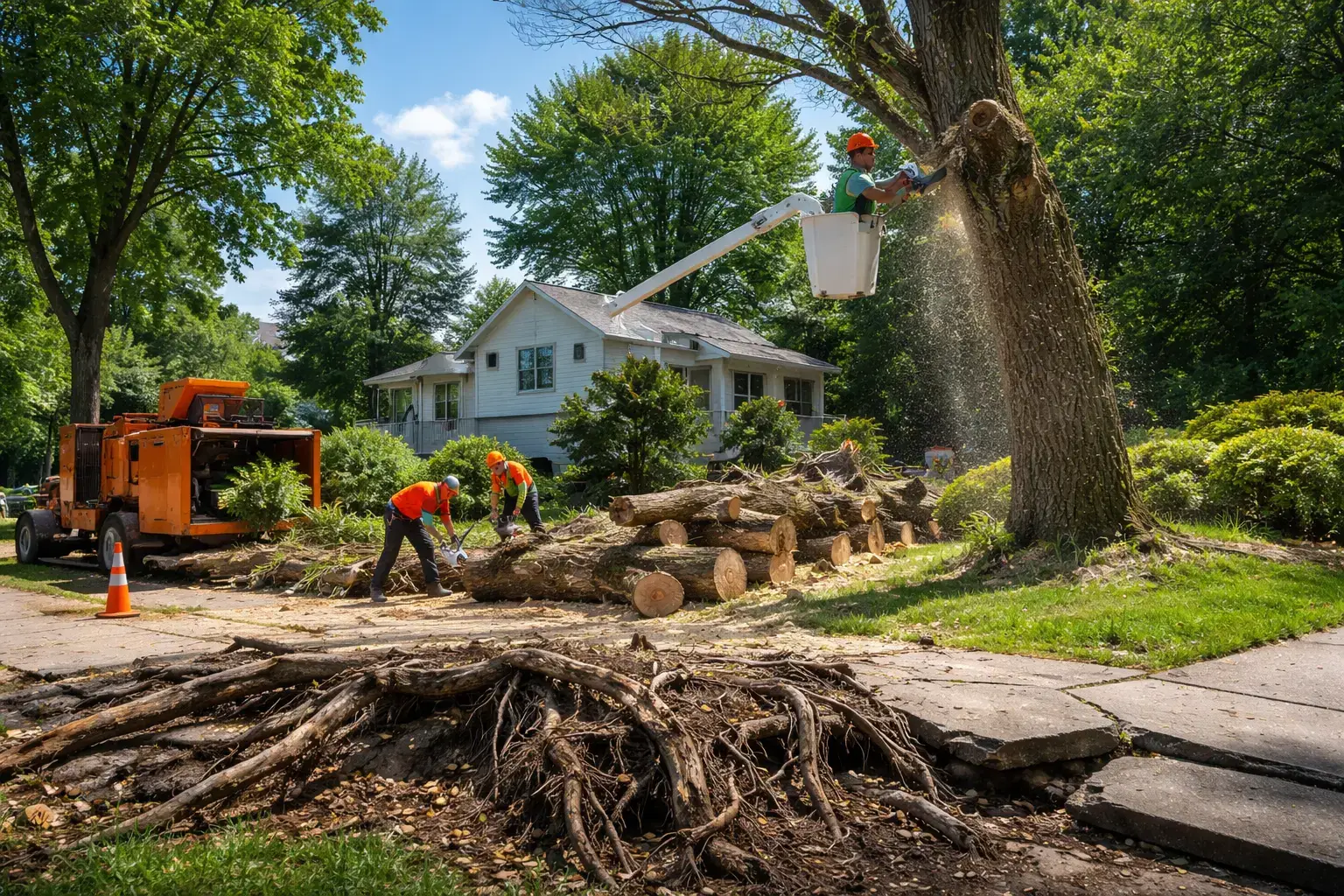
Not all trees with a large root system should be removed. Removal, however, might be the most feasible when roots are a direct danger to structures, hardscaping or vital utilities. When trees are to be removed, professional tree removal experts consider the species of the trees, the size, the size of the root spread, the distance to the structures and the overall health of the tree before giving a recommendation on the removal.
The removal of a problem tree can eliminate the additional structural damage, minimise the cost of repair and provide your property with safety once again. It is also free to create new and more appropriate landscaping opportunities that will not disrupt foundations and underground systems.
6. Risks of DIY Root Cutting
Some of the owners of the property solve root problems by cutting the bare roots. This may be a quick fix, but it can bring serious consequences, e.g., it may make the tree weak and unsteady. The falling of the tree is caused by the broken roots, which make it more dangerous in storms, by the falling tree branches or the collapse of the tree.
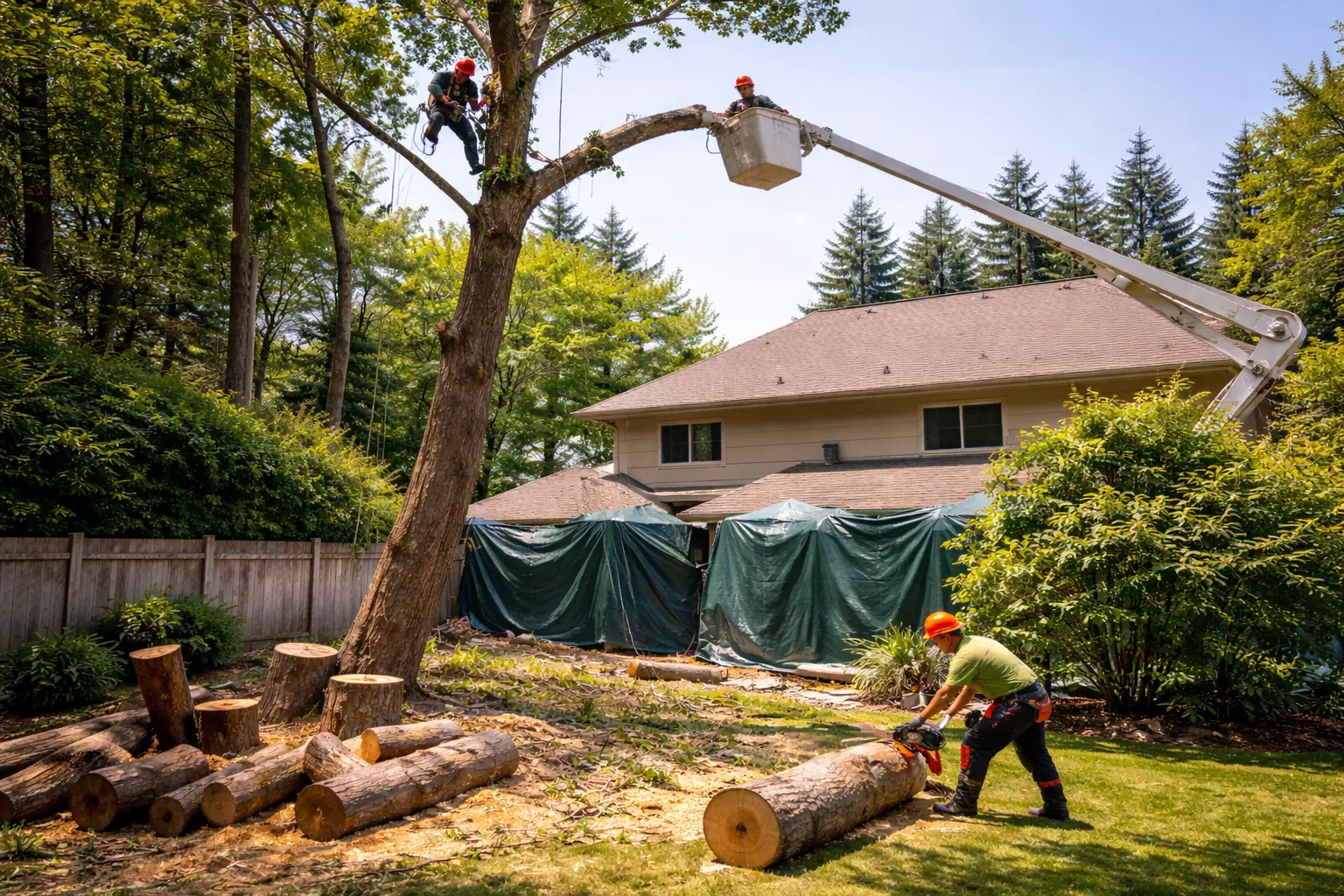
The expert service of tree removal is the activity that employs special equipment and methods of removing trees in a safe manner with minimal effects on the nearby areas. They also make sure that they treat any remaining roots in the proper manner so as to minimise regrowth and future complications.
Conclusion
The roots of trees can be buried in soil, yet their effects on the foundations, driveways, and pipes can cause serious damage. What begins as a small crack or a leisurely drain may blow out to cause serious destruction of property when neglected. Having professional tree removal services is critical in safeguarding houses, as there is a solution to the problems that are associated with roots.